
Risk: Exposure to hazardous substances
Description: Exposure to these substances can be damaging to health and/or the environment.
The following symbols indicate the presence of hazardous substances:
|
Current pictogram |
New pictogram |
Explanation |
|
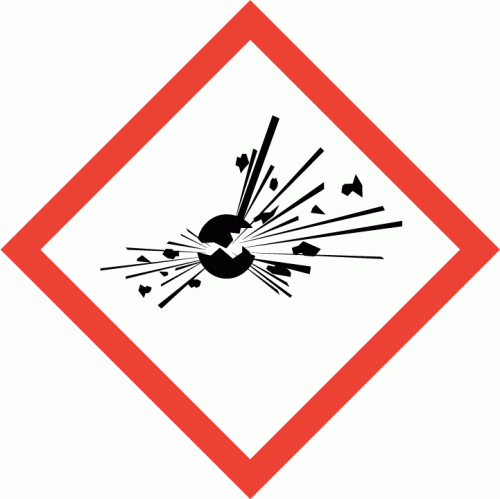
Explosive |
Explosive |
Substances which may explode as a result of impact, friction, fire or other sources of ignition. |
|
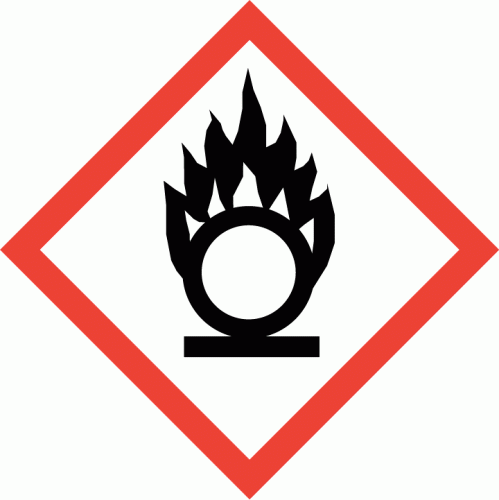
Oxidant |
Oxidant |
Substances which may cause an explosion on contact with flammable material, fire, etc. |
|
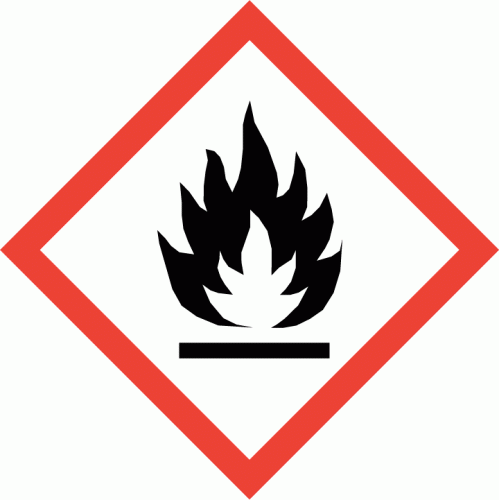
(Highly) flammable |
Flammable |
May increase in temperature and ignite without energy input and may also catch fire from a source of ignition (flame, spark). |
|
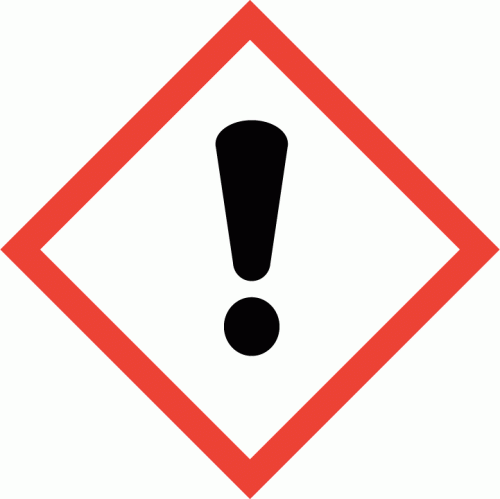
Harmful, irritant |
Irritant, sensitising, harmful |
May be hazardous to health if inhaled and/or absorbed orally or through skin. |
|
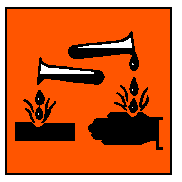
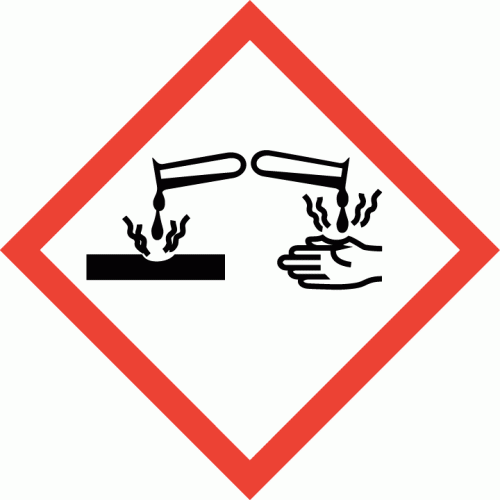
Corrosive |
Corrosive |
Can cause serious damage to living tissue and also affect other materials (water and humidity can exacerbate this) |
|
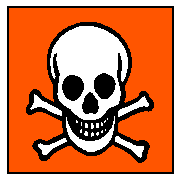
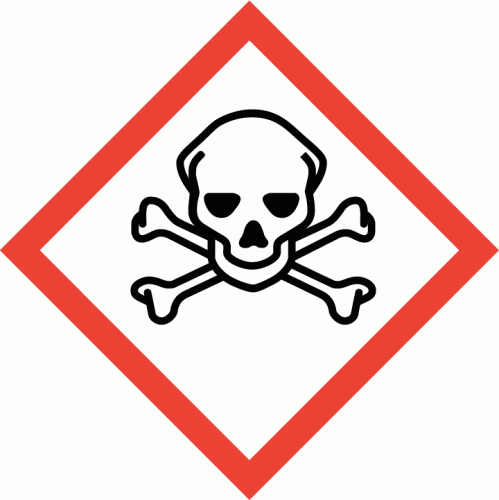
Toxic |
Toxic |
Inhalation, swallowing or absorption via the skin may cause extremely serious damage to health |
|
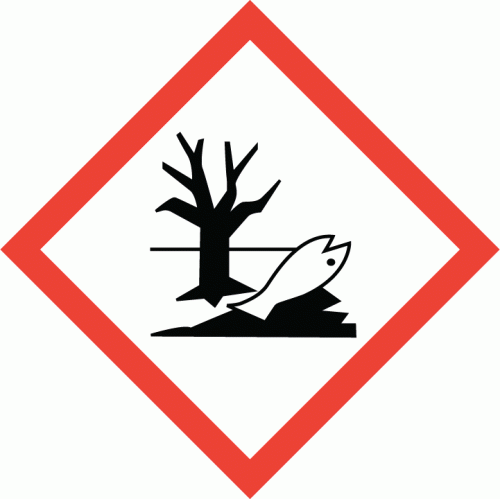
Environmentally hazardous |
Dangerous for the aquatic environment |
May be immediately or subsequently hazardous to one or more environmental sectors |
|
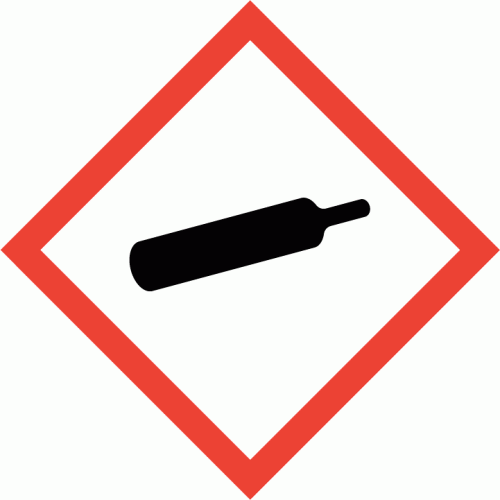
Pressured gases |
Compressed gases, liquid gases, super-cooled gases or dissolved gases Exposure to high temperatures can lead to fire or explosion (e.g. spray cans, gas bottles). | |
|
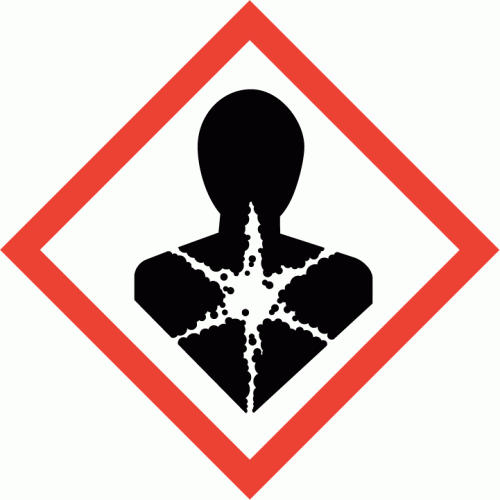
Long term health danger |
The inhalation, swallowing or absorption via the skin of products in this class are (suspected to be) carcinogenic or otherwise possibly damaging to health and fertility. |





Under EU-GHS, you do not have re-label and repackage classified substances which you have provided to consumers before 1 December 2010. This exemption applies until 1 December 2012. For mixtures, this exemption applies until 1 January 2015.